


The plate sleeve, rebuilt from the ground up
Twenty-odd years as a leading global brand’s exclusive agent and technical service provider in China. Then ten years of development, rebuilt layer by layer.
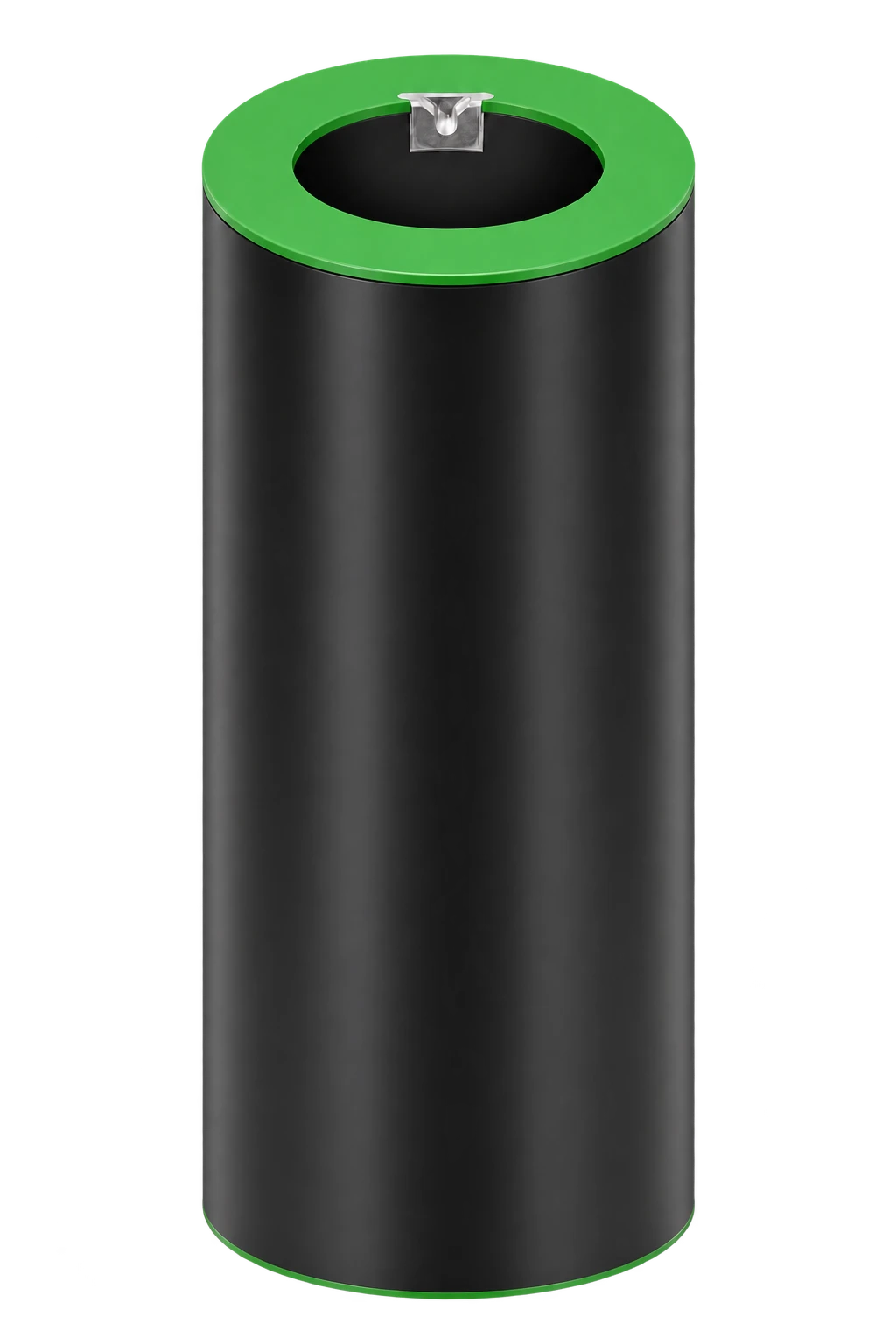
A structure worked back from function
We did not carry over the conventional sleeve structure. We started from first principles instead, and asked of every part what function it serves and what physical properties it would need to serve that function ideally. Then we went looking for materials with those properties.
The support layer had to be light, resist compression and not swell. At an aerospace materials exhibition we found a material with all three properties: aramid honeycomb, a common core material in aircraft sandwich structures. It became the support layer of the sleeveX™ lightweight model.
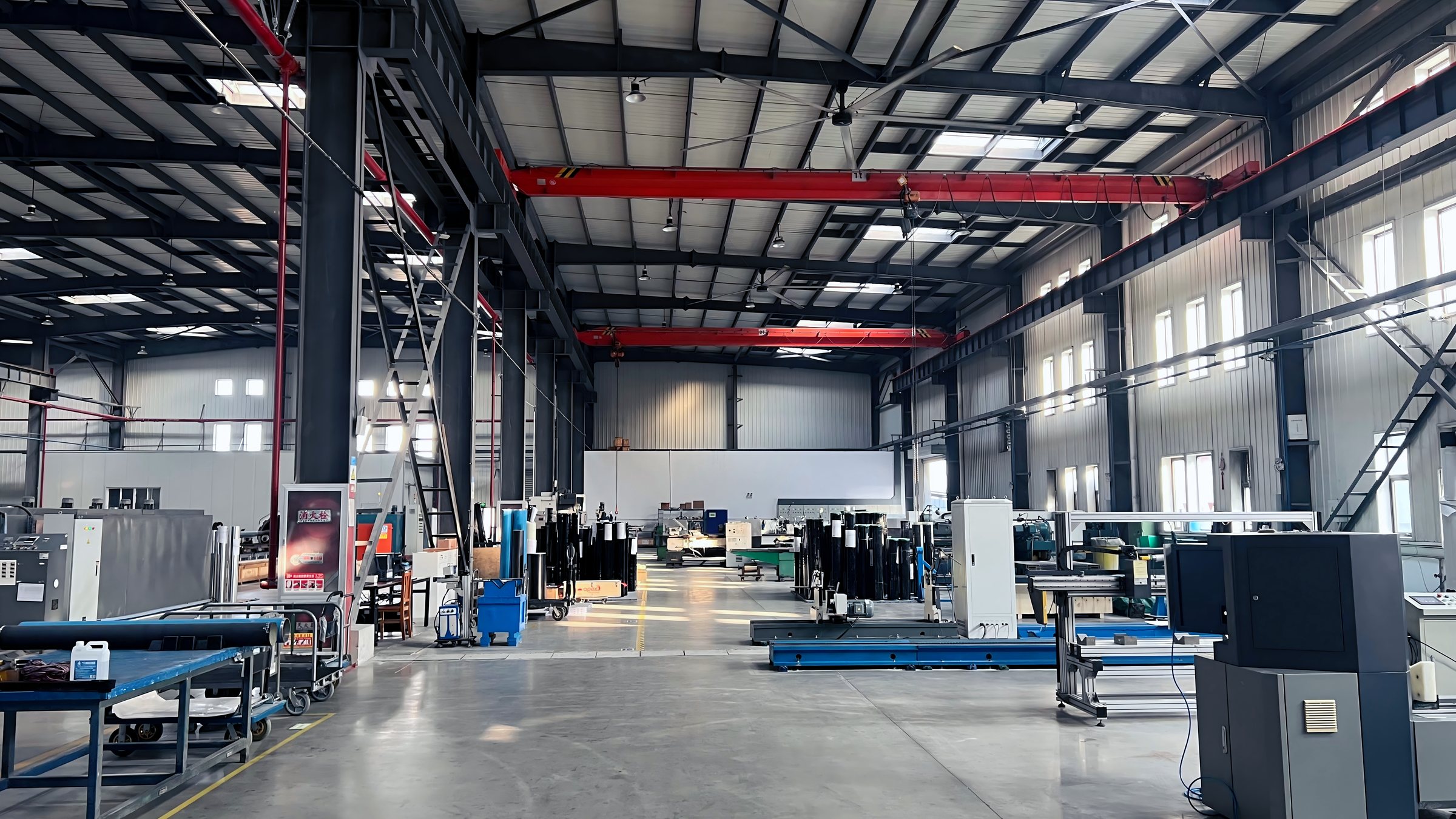
Once we had the materials, we still needed the manufacturing processes to make them into a sleeve. We designed the non-standard equipment and the production line in-house, rather than settle for what was already available. That is why development ran ten years.
- SurfacePolyurethaneEpoxy resin system
- Support layerPU foamThree-dimensional aramid honeycomb
- End faceBonded on afterwardsMoulded in one piece with the body
No load-bearing layer of the conventional build was carried over.
See what is in each layerThe six layers, outside in
- 01Epoxy resin surface
- 02Outer reinforcement
- 03Aramid honeycomb core
- 04Inner fixing layer
- 05Elastic buffer layer
- 06FiberP™ inner liner
Key processes we run in-house
Most of the equipment these processes run on is non-standard machinery we built ourselves, so that the sleeve could be produced at volume.
One-piece moulded end face
The end face is moulded together with the sleeve body from a high-toughness polymer, so there is no joint between the two.
In-house filament winding
The FiberP™ liner is wound on equipment we developed in-house in a temperature- and humidity-controlled shop, under closed-loop tension control.
Honeycomb lay-up
The aramid honeycomb core is bonded between two glass-fibre layers and cured as one body.
Every sleeve inspected before packing
Every sleeve is measured for outer diameter, straightness, runout and dynamic balance before it is packed.
The two engineering teams
Two engineering teams built this sleeve: non-standard mechanical engineers who have spent their careers in flexo, and materials engineers.
Between them the team covers materials science, polymer chemistry and physics, engineering mechanics, mechanical manufacturing and printing technology application. Each of those is visible somewhere in the build.
- 01Materials scienceThe core material was chosen against four published properties, set beside the two fills this industry otherwise builds sleeves around.
- 02Polymer chemistry and physicsThe epoxy surface system, the high-toughness polymer in the end face, and the resin wetting ratio in the liner.
- 03Engineering mechanicsFlexural strength and thermal expansion of the core, the buffer layer against resonance, dynamic balance to G2.5.
- 04Mechanical manufacturingThe winding equipment, the conditioned shop, and the proprietary equipment that cuts the metal locating notch.
- 05Printing technology applicationStability at 650 m/min, the antistatic option for film work, and what each shipped tolerance means in print.
Twenty-odd years of agency and technical service
Before building a sleeve, Auclean spent more than twenty years as the exclusive China agent for one of the world’s leading plate sleeve brands — selling them and providing the technical service. Technical service is where the failures are visible, and the same ones kept coming back.
Outer diameters that had grown past tolerance. Surfaces lifted off the body in the worst cases. End faces split where the sleeve had been knocked during loading. Heavy to handle, with cores that swell.
That list is what sleeveX™ was designed against, layer by layer.
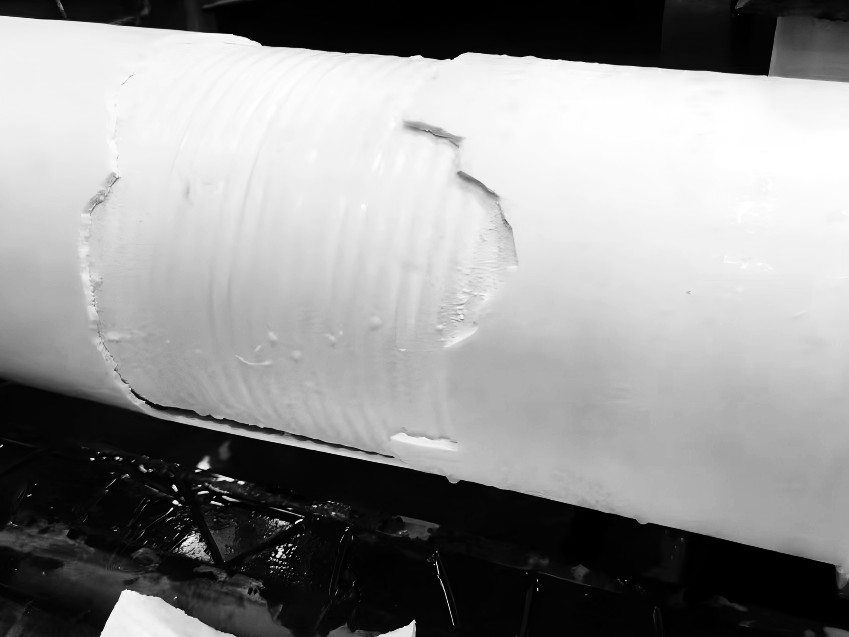
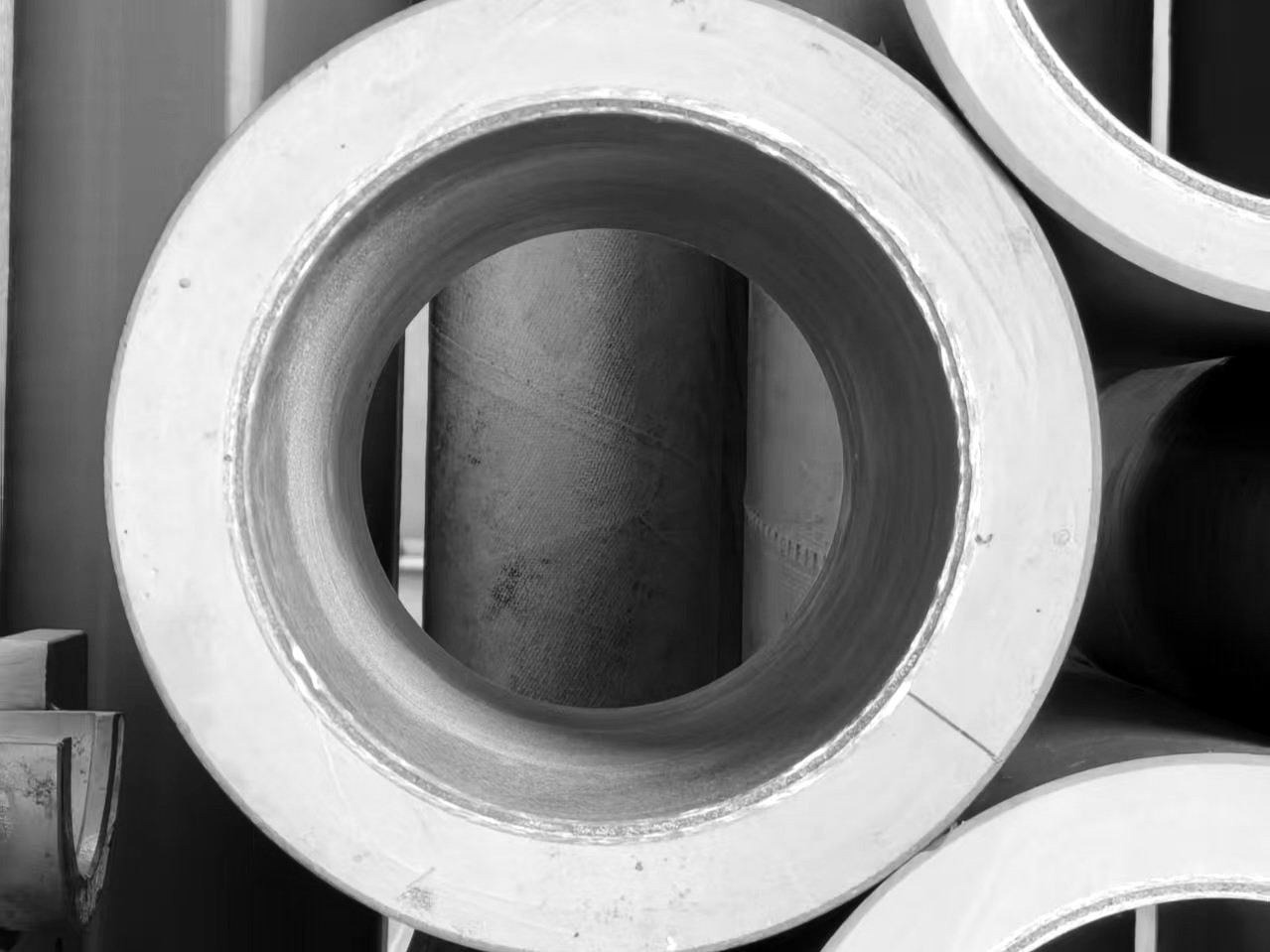
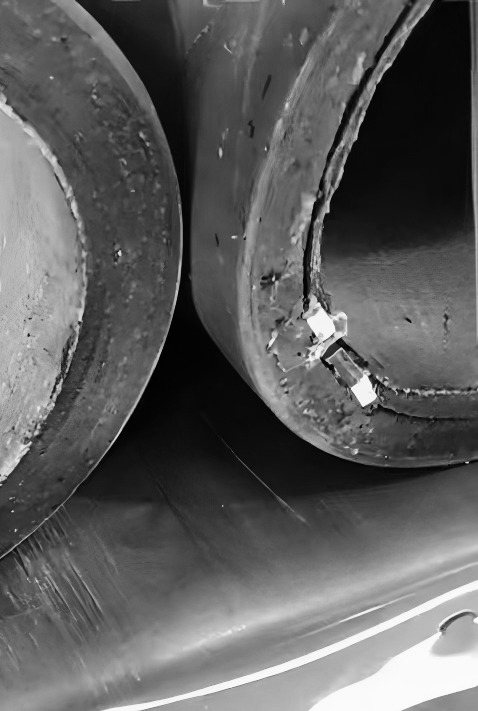
Photos show typical failures of conventional polyurethane sleeves
Pick by wall thickness
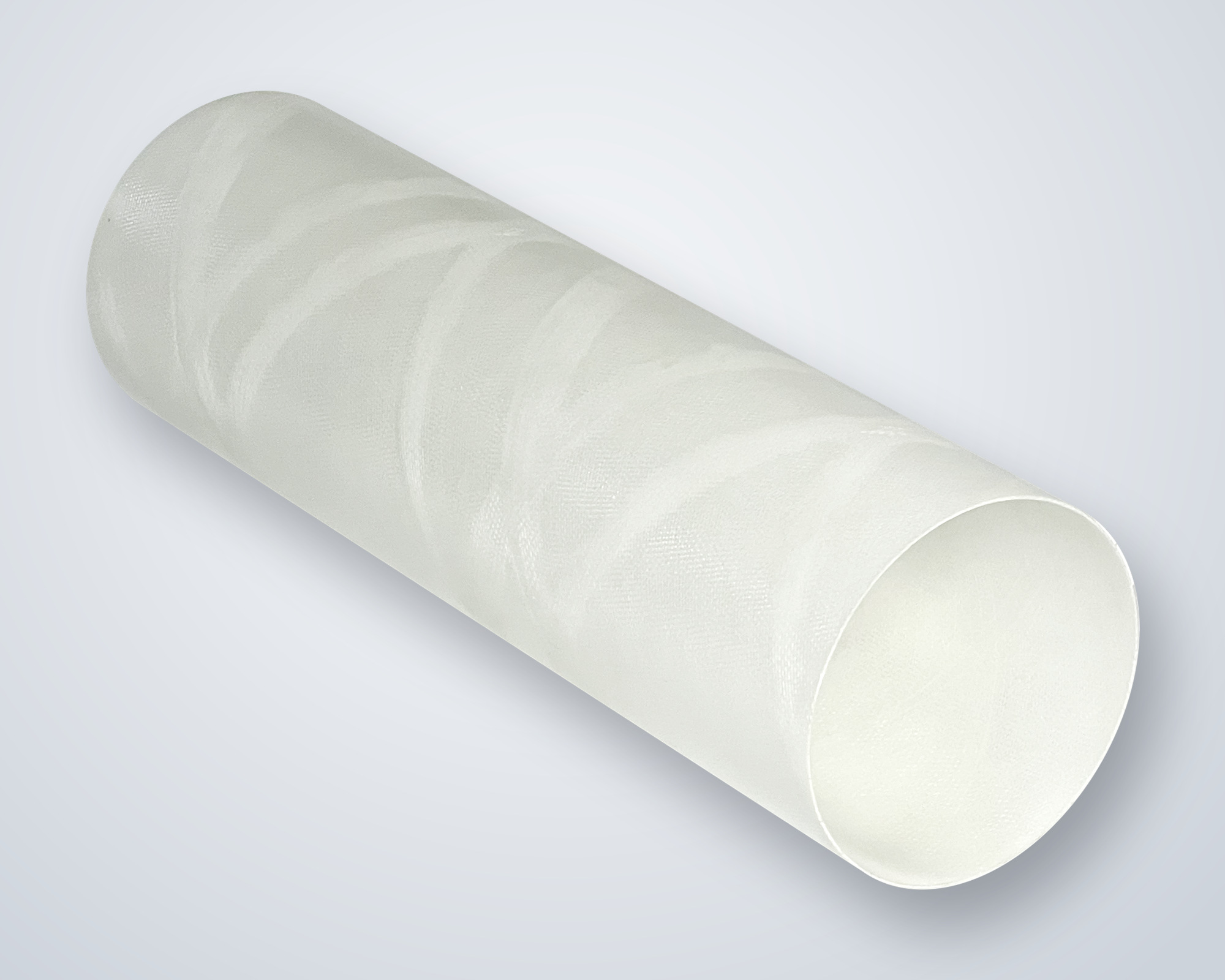
- Wall thickness
- 1 – 1.2 mm
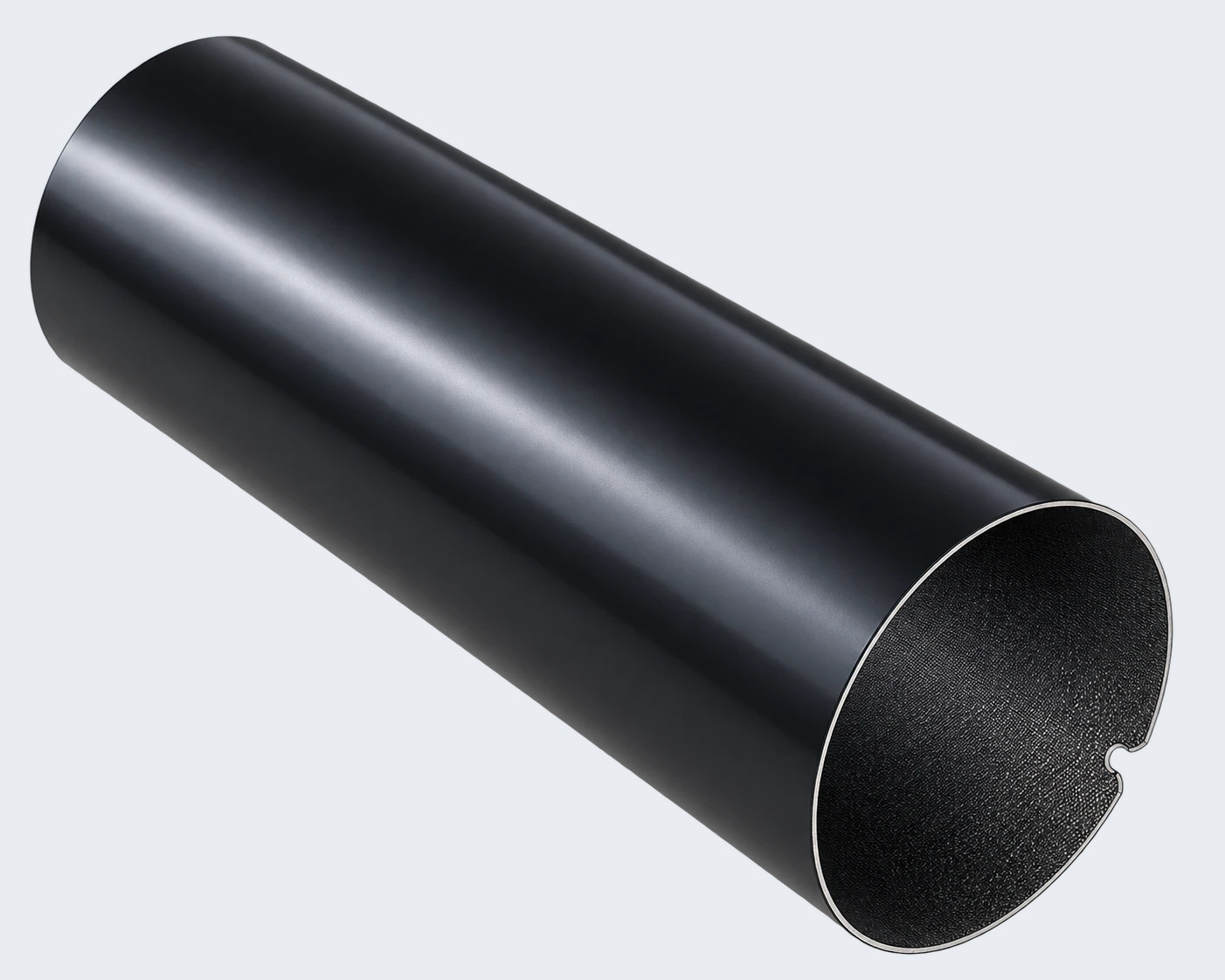
- Wall thickness
- 1.2 – 2.5 mm
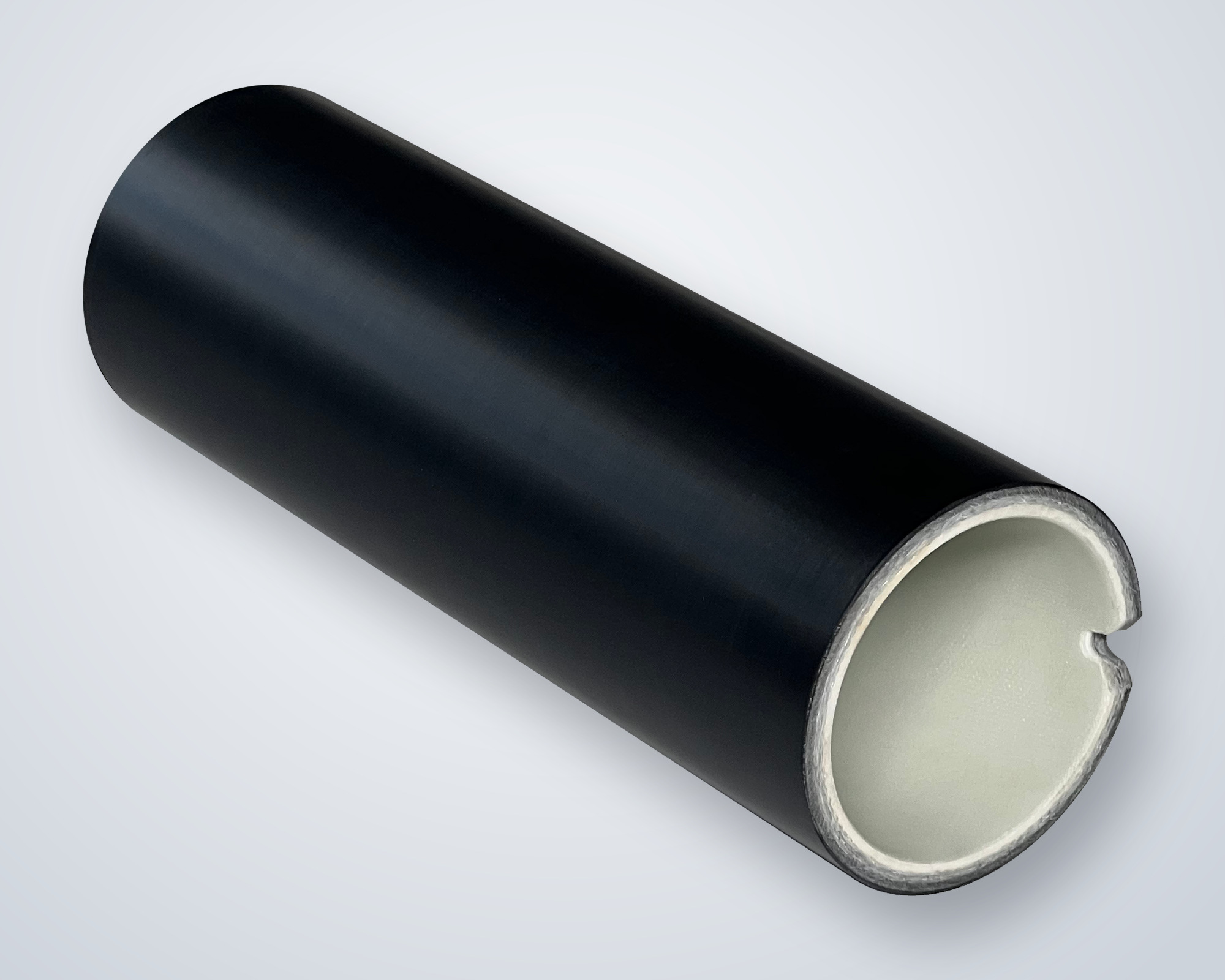
- Wall thickness
- 2.5 – 10 mm
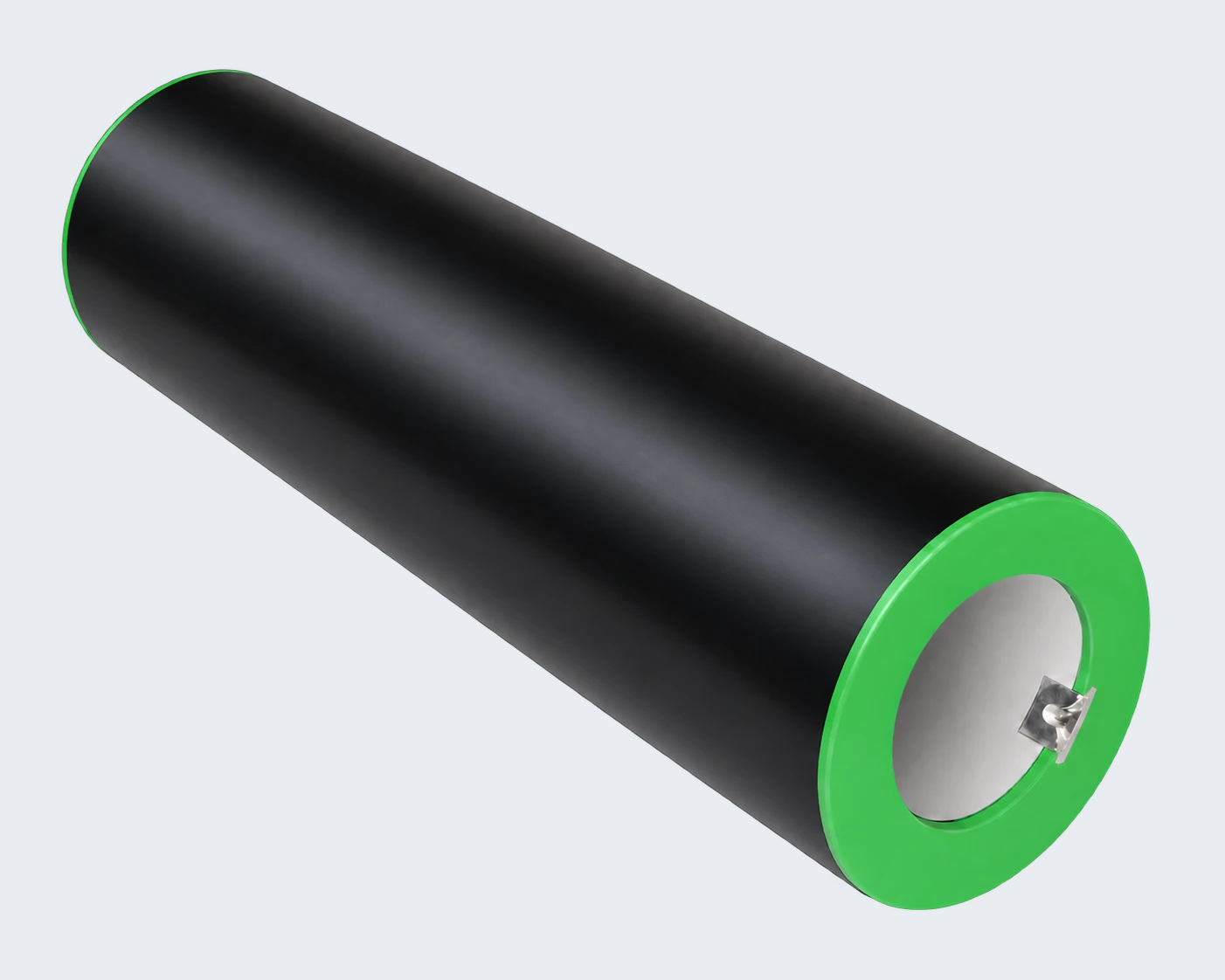
- Wall thickness
- 10 – 100 mm
The record to date
The measurement that matters is the one taken again, years after the sleeve went into service.
Made to specification, typically shipped in three weeks
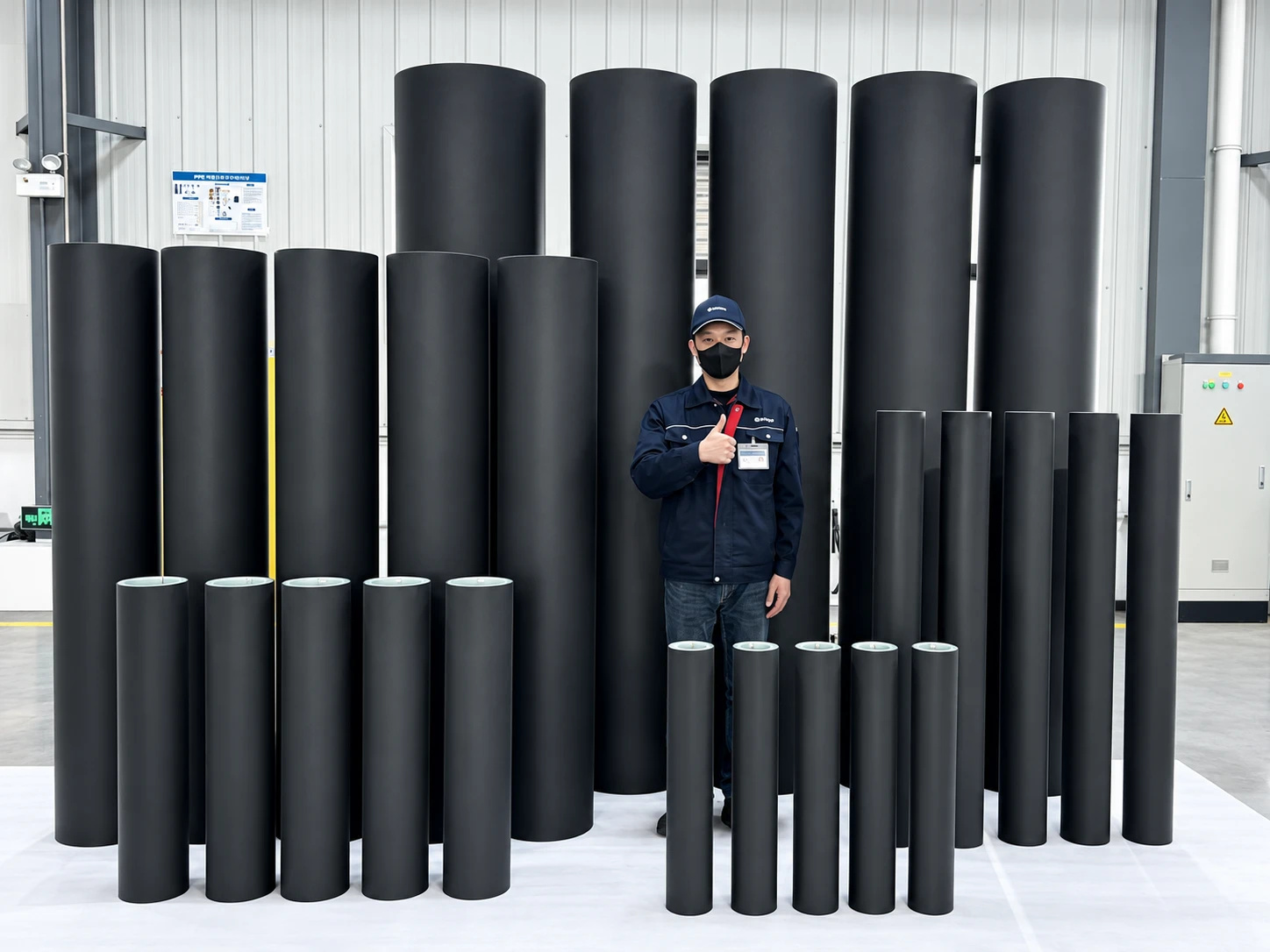
- No stock items. Every sleeve is produced to a given ID, length, repeat and wall thickness.
- Mandrel moulds already cover close to the full size range, in multiple sets
- Export orders typically ship three weeks from confirmed order
Start with one sleeve
Send us the sleeve ID (mandrel OD), face length and repeat of one press. We will quote a matching sleeve for a trial.